Managing Multiple Sclerosis Pain: A Comprehensive Guide to the MS Pain Tracker
Understanding the Importance of Pain Management in Multiple Sclerosis
Multiple Sclerosis (MS) is a chronic condition that affects the central nervous system, leading to a wide range of symptoms, including pain. Managing this pain is crucial for improving the quality of life for individuals with MS. The Multiple Sclerosis Pain Tracker is a valuable tool designed to help patients and healthcare providers monitor and manage pain effectively.
Key Components of the MS Pain Tracker
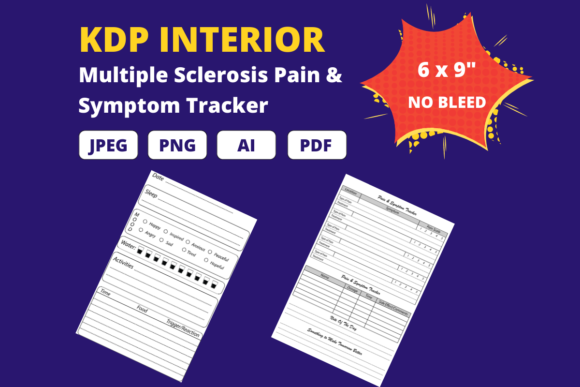
- Pain Symptom Tracker: This section allows users to log and track their pain symptoms over time, providing a clear picture of how pain evolves and responds to different treatments.
- Location of Pain: Users can specify where they are experiencing pain, which is essential for targeted treatment and understanding the underlying causes.
- Type of Pain: Differentiating between types of pain, such as neuropathic or musculoskeletal, helps in tailoring the most effective treatment plan.
- Treatment: Documenting the various treatments used, including medications, physical therapy, and alternative therapies, helps in evaluating their effectiveness.
- Pain Scale: A numerical scale (0-10) is used to rate the intensity of pain, making it easier to communicate the severity to healthcare providers.
- Medications and Supplements: Keeping a record of all medications and supplements taken can help in identifying any interactions and side effects.
- Note of the Day: A space for daily reflections and observations, which can provide insights into triggers and patterns of pain.
- Sleep Tracker: Monitoring sleep quality and duration is important, as poor sleep can exacerbate pain and other MS symptoms.
- Mood: Tracking mood changes can help in understanding the psychological impact of pain and MS.
- Water Intake: Staying hydrated is crucial for overall health and can also affect pain levels.
- Activities, Food Intake, and Reaction: Logging daily activities, diet, and any reactions to food can help in identifying potential triggers and beneficial habits.
Amazing Features of the MS Pain Tracker
The Multiple Sclerosis Pain Tracker is not just a simple log; it's a comprehensive tool designed to support a holistic approach to pain management. Here are some of its standout features:
- 110 Pages: The tracker includes 110 pages, providing ample space for detailed and consistent tracking over an extended period.
- 6" x 9" Size: The convenient size makes it easy to carry and use, whether at home or on the go.
- PDF Ready to Upload File: The tracker comes in a PDF format, ready to be uploaded and printed, making it accessible and user-friendly.
- 300 dpi Resolution: High-resolution files ensure that the printed pages are clear and legible, enhancing the user experience.
- JPEG, PNG, AI File Formats Included: The inclusion of multiple file formats (JPEG, PNG, and AI) allows for flexibility in using and sharing the tracker, catering to different needs and preferences.
Real-World Applications and Benefits
The Multiple Sclerosis Pain Tracker is a versatile tool that can be used by a variety of individuals, including:
- Patients: To keep a detailed and organized record of their pain and related symptoms, helping them to better understand and manage their condition.
- Healthcare Providers: To gain a comprehensive view of a patient's pain history and response to treatments, aiding in more effective and personalized care.
- Researchers: To collect and analyze data on pain patterns and treatment outcomes, contributing to the broader understanding and management of MS pain.
- Caregivers: To assist in monitoring and supporting loved ones with MS, ensuring that their pain is managed effectively and that they receive the best possible care.
By using the Multiple Sclerosis Pain Tracker, individuals with MS can take a proactive role in their pain management, leading to improved well-being and a better quality of life. The detailed and structured approach of the tracker supports a collaborative effort between patients, caregivers, and healthcare providers, fostering a more integrated and effective approach to managing MS pain.